
Houston Pollen Season: Why Yellow Pollen Triggers Allergy Symptoms
If you’ve recently walked outside in the Kingwood or Northeast Houston area and noticed a yellow or greenish dust covering your car, sidewalks, or outdoor furniture, you’re seeing one of the most visible signs of Houston’s pollen season.
At the same time this pollen appears, many people begin experiencing allergy symptoms such as sneezing, congestion, sinus pressure, itchy eyes, and respiratory irritation. As a result, many residents ask the same question each year: Is the pollen covering my car the reason I’m suddenly having allergy symptoms?
In many cases, the answer is yes. Houston’s climate and dense tree coverage create conditions where pollen levels rise dramatically, triggering seasonal allergies across communities such as Kingwood, Humble, Atascocita, and other parts of Northeast Houston.
Understanding Houston pollen allergies and how pollen affects the body can help residents recognize symptoms early and know when those symptoms may require medical attention.
Why Is Pollen Covering Cars in Houston?
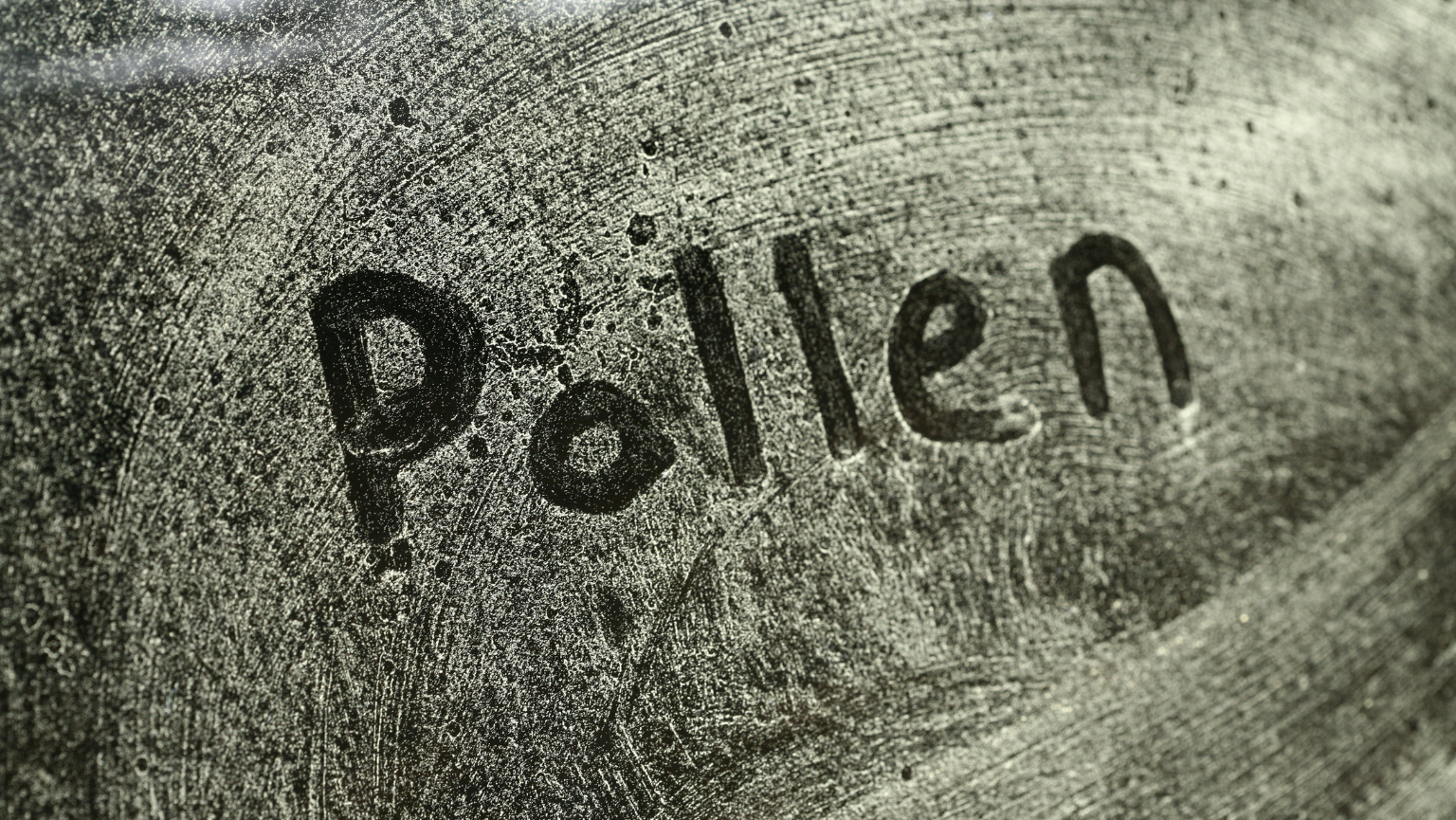
One of the most common signs of Houston’s pollen season is the yellow or green dust that appears on cars almost overnight. Residents across Kingwood, Humble, Atascocita, and Northeast Houston often notice their vehicles covered in pollen during peak tree pollen periods.
This dust is made up of microscopic pollen particles released by trees such as pine and oak. As these trees release pollen into the air, wind carries the particles across neighborhoods where they eventually settle on cars, patios, sidewalks, and outdoor furniture.
The same pollen that coats vehicles and outdoor surfaces is also circulating through the air. As a result, many people begin experiencing seasonal allergy symptoms at the same time the visible pollen appears.
Why Houston Sees So Much Pollen
Houston consistently ranks among cities with high seasonal pollen counts, especially during peak tree pollen periods.
Several environmental factors contribute to this.
The “Livable Forest” Effect
Kingwood is often referred to as the “Livable Forest.” While the large number of trees creates beautiful neighborhoods and shaded parks, those same trees release large amounts of pollen into the air.
Consequently, residents in Kingwood and nearby areas often see visible pollen accumulation on cars, patios, and sidewalks.
Trees That Produce Heavy Pollen
Many common trees in the Northeast Houston area release pollen during peak allergy season, including:
- Oak trees
- Pine trees
- Cedar trees
- Elm trees
- Ash trees
Pine pollen is usually responsible for the bright yellow dust that coats vehicles and outdoor surfaces throughout Houston neighborhoods.
Houston’s Climate
Houston’s warm climate allows pollen production to begin earlier and last longer than in many other regions. In addition, windy conditions can spread pollen across large areas, increasing exposure even for people who spend limited time outdoors.
How Pollen Triggers Allergy Symptoms
Seasonal allergies occur when the immune system reacts to pollen as if it were a harmful substance.
When pollen enters the nose, eyes, or lungs, the body releases chemicals such as histamine. As a result, inflammation occurs in the nasal passages and airways.
Common symptoms of Houston pollen allergies include:
- Sneezing
- Runny or congested nose
- Itchy or watery eyes
- Sinus pressure
- Postnasal drip
- Scratchy throat
- Coughing
For some people, pollen exposure may also worsen asthma symptoms or breathing difficulties.
Why Allergy Symptoms Can Appear Suddenly
Many Houston residents feel as though allergy symptoms appear overnight. However, pollen levels can increase rapidly during peak periods.
Warm temperatures combined with windy conditions often cause trees to release large amounts of pollen within a short period of time.
Because of this, symptoms may become worse when:
- Spending extended time outdoors
- Driving with windows down
- Opening windows at home
- Being outside during windy weather
Even pollen that collects on clothing, shoes, or hair can continue to cause irritation after returning indoors.
Ways to Reduce Exposure to Houston Pollen
Although pollen cannot be completely avoided during peak allergy season, several steps can help reduce exposure.
Keep Windows Closed
Using air conditioning instead of opening windows can help prevent pollen from entering your home.
Change Clothes After Being Outdoors
Pollen particles often stick to clothing and shoes.
Shower After Outdoor Activities
Washing pollen from your skin and hair can reduce continued exposure inside the home.
Use Air Filtration
High-efficiency air filters can help remove pollen particles circulating indoors.
Check Local Pollen Forecasts
Monitoring pollen forecasts can help you plan outdoor activities when pollen levels are lower.
These small adjustments can help reduce symptoms during Houston’s pollen season.
Managing Seasonal Allergies
Many people manage seasonal allergies using over-the-counter medications such as:
- Antihistamines
- Nasal corticosteroid sprays
- Decongestants
- Saline nasal rinses
These treatments help reduce inflammation and control the body’s allergic response to pollen exposure.
However, symptoms can sometimes become more persistent, especially when sinus inflammation develops.
When Allergy Symptoms May Need Medical Attention
While most seasonal allergies are mild, some symptoms may indicate a more serious condition.
You should consider seeking medical evaluation if you experience:
- Severe sinus pressure or facial pain
- Fever
- Thick nasal discharge
- Persistent coughing
- Difficulty breathing
- Symptoms that continue worsening
In some cases, seasonal allergies may lead to sinus infections or respiratory complications.
If symptoms worsen or begin interfering with daily activities, seeking emergency care in Kingwood can help determine the cause and provide appropriate treatment.
Understanding Houston’s Allergy Season
Seeing yellow pollen on your car is often one of the clearest signs that pollen levels are high across Houston.
For many residents in Kingwood, Humble, Atascocita, and Northeast Houston, that same pollen may also trigger seasonal allergy symptoms or respiratory irritation.
By understanding how pollen affects the body and taking steps to reduce exposure, many people can manage Houston pollen allergies more effectively while continuing to enjoy outdoor activities.
Recognizing when symptoms require medical evaluation is also an important part of protecting your health during peak pollen periods.
Frequently Asked Questions About Houston Pollen
What is the yellow dust covering cars in Houston?
The yellow dust that often appears on cars and outdoor surfaces in Houston is tree pollen, most commonly from pine and oak trees. During peak pollen periods, large amounts of pollen are released into the air and settle on vehicles and outdoor surfaces.
Can pollen cause respiratory symptoms?
Yes. Pollen is a common trigger of seasonal allergies, which can cause sneezing, congestion, itchy eyes, sinus pressure, and coughing. For some individuals, pollen exposure can also worsen asthma or breathing issues.
Why are allergies so common in Kingwood and Northeast Houston?
Communities such as Kingwood, Humble, and Atascocita have dense tree coverage and a warm climate, which contributes to higher pollen levels during allergy season.
When should allergy symptoms be evaluated by a doctor?
You should consider seeking medical care if symptoms include severe sinus pain, fever, breathing difficulties, or symptoms that continue worsening rather than improving.